Build Awareness. Earn Trust. Turn Your Clothing Brand Into a Business.
Learning how to market a clothing brand when nobody knows your name can feel difficult in a competitive fashion, sportswear and apparel market. But a new brand does not need millions of followers or an enormous advertising budget to start gaining attention.
The strongest approach to how to market a clothing brand combines clear positioning, professional product presentation, social media, SEO, creators, email marketing and a website that gives buyers confidence.
Quick Answer
The practical answer to how to market a clothing brand is to first identify exactly who you want to sell to, develop a recognizable brand identity, present your products professionally, create useful content, build owned audiences through email and SEO, and then use advertising to amplify strategies that already generate interest.
If you are starting from zero, how to market a clothing brand should not begin with expensive ads. Start with positioning, product visuals, valuable content, community and a conversion-ready website.

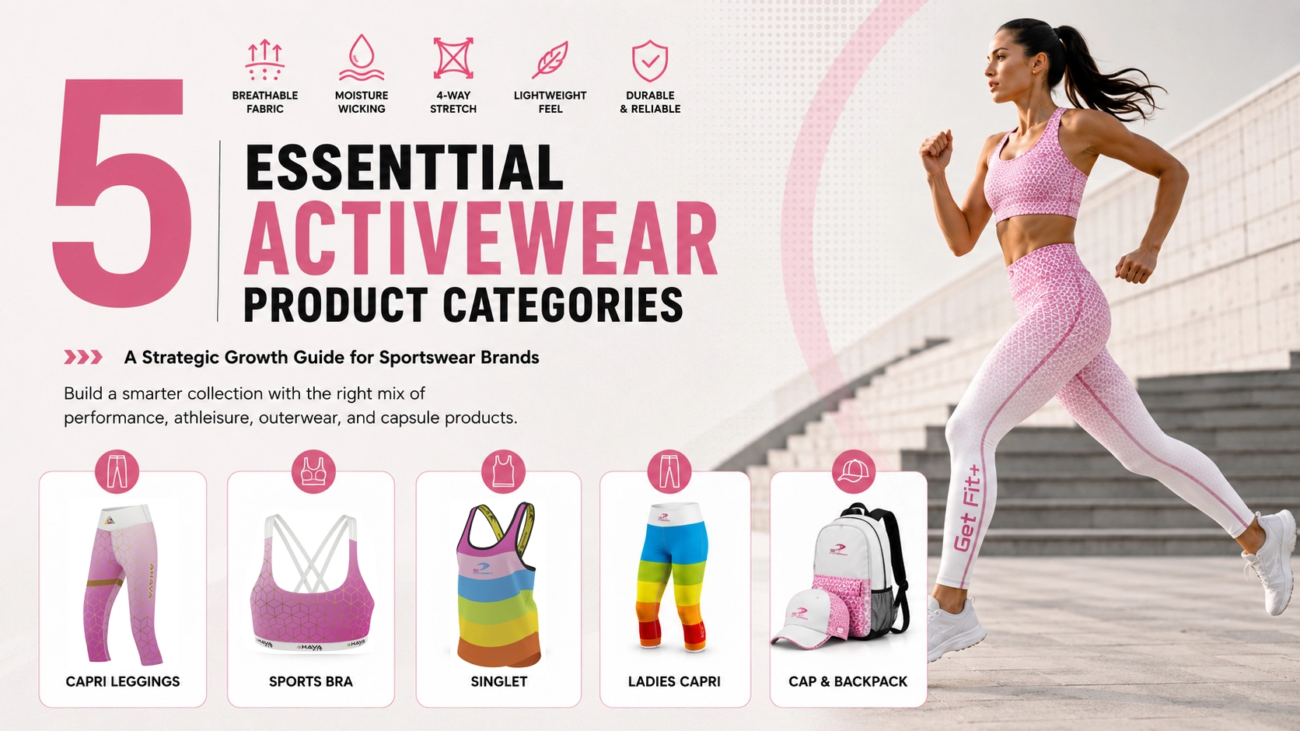
Professional Sportswear Presentation

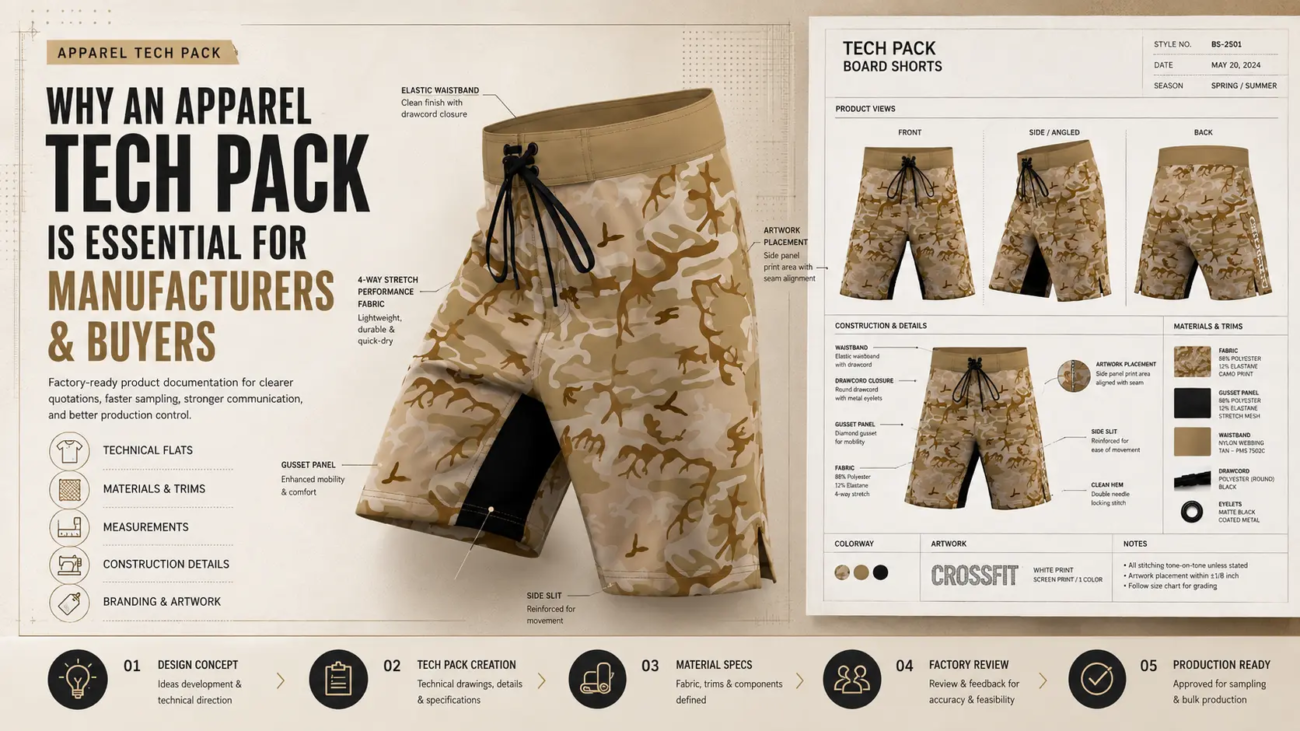
3D Apparel Product Visualization

Custom Product & Uniform Presentation
How to Market a Clothing Brand: 1. Define Your Target Customer
The first step in understanding how to market a clothing brand is deciding exactly who the clothing is designed for. Many new companies make their marketing unnecessarily difficult by targeting everyone.
A football teamwear brand, premium motorcycle clothing company and streetwear label may all sell apparel, but their customers have completely different priorities. Those differences should influence the products, photography, messaging, pricing, website and social content.
Build a Simple Customer Profile
- Typical age range
- Primary country or geographic market
- Sport, hobby, lifestyle or profession
- Preferred clothing style
- Expected price range
- Problems with current products
- Preferred social media platforms
- Reasons they would switch brands
When researching how to market a clothing brand, think less about the number of people you can reach and more about how accurately you can reach people who could realistically become customers.
Create a Clear Customer Promise
Your brand needs a simple reason to exist in the customer’s mind. A sportswear business might lead with performance and customization. Streetwear could focus on limited releases and distinctive design. Motorcycle apparel may emphasize protection, technical functionality and premium construction.
How to Market a Clothing Brand: 2. Build a Story People Remember
A logo identifies a company, but a meaningful story makes the company easier to remember. This is an important part of how to market a clothing brand because people regularly see products with similar features and prices.
Your story should answer:
- Why was the company created?
- What problem does it solve?
- What does the brand believe in?
- What makes its products different?
- Who is the community behind the brand?
- How should customers feel when wearing the products?
Use the same core story on your About page, product pages, social media, presentations, packaging and email campaigns. Consistency makes a small brand feel much more established.
How to Market a Clothing Brand: 3. Create Professional Product Visuals
One of the most important elements of how to market a clothing brand online is visual credibility. Customers cannot physically touch your fabric, inspect stitching or examine the garment from every angle, so your digital presentation needs to communicate those details.
Professional product images, videos and 3D product visualization can help present garments consistently across websites, catalogues, social media, marketplaces and advertising.
Useful product presentation can include:
- Front, back and side product views
- Different garment colorways
- Fabric and stitching details
- Logos and branding positions
- Zippers, trims and technical panels
- Reflective details
- 360-degree presentation
- Feature-explainer graphics
- Product launch visuals
- eCommerce-ready imagery
Virtual B2B provides 3D Product Visualization for apparel, sports products and other product categories.
For brands investigating how to market a clothing brand before full-scale manufacturing, digital product visualization can also provide presentation assets while product development is still underway.
How to Market a Clothing Brand: 4. Build an Audience Before Launch
Another important lesson in how to market a clothing brand is that marketing should not begin on launch day. Start generating interest while the collection is still being developed.
Pre-launch content can include:
- Initial design sketches
- 3D clothing renders
- Colorway voting
- Fabric selection
- Behind-the-scenes development
- Packaging previews
- Founder videos
- Product feature demonstrations
- Launch countdowns
- Email waiting lists
- Early-access registrations
Build an Email Waiting List
Do not use only “Subscribe to our newsletter.” Give potential customers a genuine reason to join.
- Early access to new collections
- Launch-day offers
- VIP colorways
- Limited drops
- Customization opportunities
A smaller list of genuinely interested subscribers can be more commercially valuable than thousands of unrelated followers.
How to Market a Clothing Brand: 5. Use Instagram, TikTok & YouTube
Short-form content plays a major role in how to market a clothing brand in 2026, but posting catalogue images every day is not a complete content strategy.
Instagram can function as your visual portfolio and trust-building platform. Combine Reels, carousels, Stories, product details, customer images, behind-the-scenes content and launches.
TikTok
TikTok can expose your products to people outside your existing followers. Useful content ideas include design-to-product transformations, garment development, color comparisons, manufacturing insights and customer reactions.
YouTube
Use YouTube Shorts for vertical discovery content and longer videos for searchable educational topics, product demonstrations and reviews.
A Better Weekly Content Mix
- Educational content
- Product-focused content
- Behind-the-scenes content
- Social proof
- Founder or brand story
- Community interaction
- Direct product offer
Effective how to market a clothing brand planning means understanding that not every post needs to make an immediate sale. Many posts exist to build recognition and trust.
How to Market a Clothing Brand: 6. Work With Micro-Influencers & UGC Creators
Influencer marketing is often included in discussions about how to market a clothing brand, but follower count should not be your only selection criterion.
Evaluate creators based on:
- Audience relevance
- Geographic location
- Quality of engagement
- Average video views
- Creative quality
- Brand compatibility
- Previous collaborations
Use Product Seeding Carefully
Product seeding can work when items are sent to creators whose audience closely matches your customers. Avoid randomly sending free products only because an account has a large following.
Use UGC Creators
UGC creators can provide unboxing videos, try-on content, fit demonstrations, product reviews and problem-solution videos that may be used across your marketing channels according to agreed usage rights.
How to Market a Clothing Brand: 7. Use SEO for Long-Term Traffic
Search engine optimization is a valuable part of how to market a clothing brand because it provides another source of traffic beyond paid advertising and social media algorithms.
Optimize Product and Collection Pages
Useful pages should clearly explain:
- Product type
- Material
- Fit
- Main features
- Intended use
- Available colors
- Care instructions
- Size information
Create Helpful Blog Content
Examples include:
- How to choose football kit fabric
- How should a motorcycle jacket fit?
- Polyester vs nylon sportswear
- How to design custom team uniforms
- How to choose a sportswear manufacturer
- How to launch a custom apparel brand
Google recommends creating useful, people-first content rather than producing pages primarily to manipulate search rankings. Read Google’s helpful content guidance and SEO Starter Guide .
When learning how to market a clothing brand, SEO should therefore be treated as a long-term customer acquisition channel rather than a one-time plugin score.
How to Market a Clothing Brand: 8. Build an Email Marketing System
Email is another core part of how to market a clothing brand because subscribers have already demonstrated some level of interest.
Welcome Sequence
Introduce your brand story, show popular products, explain your difference and deliver the incentive promised at signup.
Abandoned Cart Sequence
Remind interested customers about products they considered and answer common questions that could prevent purchase.
Launch Campaigns
Introduce new collections using product details, colorways, behind-the-scenes development and clear launch timing.
Post-Purchase Communication
Send order information, care guidance, review requests, complementary product suggestions and loyalty offers.
How to Market a Clothing Brand: 9. Improve Your Website Experience
A website is central to how to market a clothing brand successfully because even excellent advertising will struggle if customers arrive on a confusing or untrustworthy product page.
Your website should provide:
- Fast mobile loading
- High-quality product visuals
- Clear product titles
- Detailed descriptions
- Simple variation selection
- Accurate size charts
- Material information
- Delivery details
- Return policy
- Secure checkout
- Reviews and testimonials
- Contact information
Add Interactive Customization Where Relevant
For custom sportswear, jerseys, uniforms and personalized products, interactive product customization can provide a more engaging customer journey.
Explore Virtual B2B’s 3D Kit Builder and E-Commerce Solutions .
How to Market a Clothing Brand: 10. Use Paid Advertising Strategically
Paid media is often seen as the fastest answer to how to market a clothing brand, but advertising works best when the product, website and creative already generate interest organically.
Before increasing ad spend, understand:
- Your product margin
- Average order value
- Website conversion rate
- Most popular product
- Best-performing creative
- Customer acquisition cost
- Repeat purchase behavior
Test Multiple Creative Angles
- Product-focused visuals
- Problem-solution videos
- Lifestyle content
- Testimonials
- UGC videos
- Technical demonstrations
- Customization videos
- Founder stories
Retarget customers who visited relevant pages or engaged with your content, but vary the message instead of showing the same advertisement indefinitely.
How to Market a Clothing Brand: 11. Turn Buyers Into Repeat Customers
Retention is sometimes ignored in guides explaining how to market a clothing brand. Existing customers, however, can become repeat buyers, reviewers, referral sources and content creators.
A practical retention strategy can include:
- Excellent customer service
- Clear order communication
- Professional packaging
- Thank-you messages
- Loyalty rewards
- Referral incentives
- VIP product access
- Early access to collections
- Restock notifications
- Personalized recommendations
Encourage Customer Content
Invite genuine customers to tag your company when wearing your products. With permission, selected images and videos can provide useful social proof for future buyers.
Listen to Feedback
Customer comments can reveal improvements needed in sizing, fabrics, packaging, product descriptions, delivery and future product design.
How to Market a Clothing Brand With a 30-60-90 Day Plan
If how to market a clothing brand feels overwhelming, divide the work into manageable stages rather than trying to master every platform at once.
Build the Foundation
- Define your target customer
- Clarify brand positioning
- Finalize visual identity
- Create product renders
- Improve website pages
- Set up email capture
- Research SEO topics
Build Awareness
- Publish short-form content
- Start creator outreach
- Build the email list
- Publish SEO content
- Share behind-the-scenes work
- Test content formats
- Collect feedback
Launch & Optimize
- Launch your collection
- Send launch campaigns
- Publish UGC and reviews
- Test paid advertising
- Retarget visitors
- Improve product pages
- Strengthen retention
A structured 90-day system makes how to market a clothing brand easier to measure because each stage has a clear objective.
How to Market a Clothing Brand Without Making These Common Mistakes
Trying to Sell to Everyone
A specific audience is much easier to understand and communicate with than an undefined mass market.
Copying Competitors
Research competitors, but create your own positioning, visual identity and communication style.
Using Weak Product Presentation
Customers may hesitate when they cannot clearly see the design, fabric, construction, fit or important product details.
Buying Followers
Large follower counts have little commercial value when those followers are fake, inactive or unrelated to your market.
Running Ads Too Early
Paying for traffic before improving your offer and website can simply send more visitors into an experience that does not convert.
Ignoring Search Traffic
A complete approach to how to market a clothing brand should combine social media with SEO rather than depending on a single traffic source.
Frequently Asked Questions: How to Market a Clothing Brand
How to Market a Clothing Brand With No Followers?
Start with a clearly defined customer, professional product presentation, useful short-form content, community interaction, creator outreach, an email list and search-optimized articles. A highly relevant small audience can be more useful than a large but unrelated following.
How to Market a Clothing Brand for Free?
Organic options include Instagram Reels, TikTok, YouTube Shorts, SEO articles, founder content, community participation, customer referrals, email marketing and relevant collaborations. Organic growth requires time, consistency and useful content.
How to Market a Clothing Brand Before Manufacturing?
Use design previews, 3D product visualization, email waiting lists, behind-the-scenes development, color voting, educational content and creator outreach. Pre-launch marketing can begin well before the complete collection is physically available.
How to Market a Clothing Brand on Social Media?
Combine product content with education, behind-the-scenes development, customer stories, short-form videos and community interaction. Use the platforms where your actual target customer spends time instead of trying to dominate every social network.
How to Market a Clothing Brand Using SEO?
Optimize product and collection pages, create useful articles for customer questions, improve images and ALT text, use descriptive internal links and build a technically sound website that can be crawled and indexed correctly.
How to Market a Clothing Brand With a Small Budget?
Prioritize customer research, high-quality visuals, organic short-form content, email capture, SEO and carefully chosen micro-creators before investing heavily in advertising. Use paid media only after identifying products and creative concepts that generate genuine interest.
How to Market a Clothing Brand With 3D Product Visualization?
3D visualization can present garments digitally, demonstrate different colorways, highlight construction details and provide marketing material for product pages, social content, presentations and campaigns.
How Long Does It Take to Grow a Clothing Brand?
There is no universal timeline. Growth depends on market demand, product quality, positioning, pricing, customer experience, consistency, competition and marketing budget. Evaluate progress in 30-day and 90-day cycles.
Final Strategy: How to Market a Clothing Brand in 2026
Ultimately, how to market a clothing brand is not about finding one secret social network or advertising trick. Sustainable growth comes from combining a strong product with clear positioning, professional presentation, useful content, search visibility, social proof and excellent customer service.
Start with the customer. Build an identity they can recognize. Present your products professionally. Publish content before constantly asking for sales. Build an email audience you control. Create useful SEO content, test advertising carefully and continue serving the customer after the first purchase.
Brands that master how to market a clothing brand create a consistent experience from the first social impression through the website, checkout, packaging, delivery and post-purchase relationship.
Ready to Present Your Clothing Brand Professionally?
Virtual B2B helps apparel, sportswear and product brands with 3D product visualization, interactive kit builders, eCommerce solutions and professional digital product presentation.
Discuss Your Project With Virtual B2B