

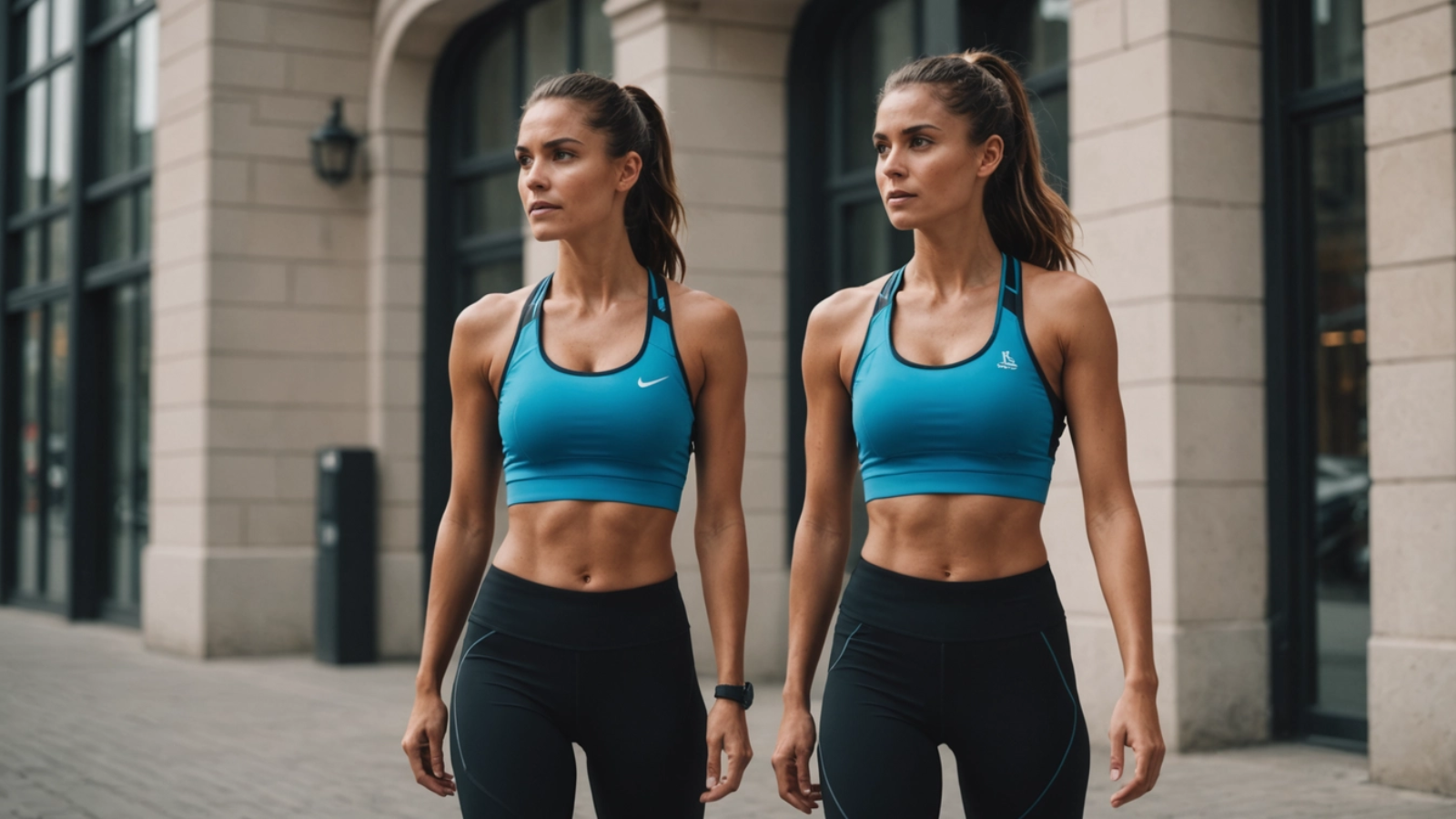
Here’s a high-quality, pro-level blog post crafted for your website (https://virtualb2b.net) on the topic of “5 Key Product Types That Grow Successful Activewear Brands”. It expands on the ideas from the source article at FittDesign but takes them deeper, adds new insight, and adapts for your B2B / manufacturing-sourcing audience. You can fine-tune the tone, headings or examples to better fit your brand voice.
5 Essential Product Categories That Fuel Growth for Activewear Brands
1. Why Product Category Strategy Matters
In the crowded activewear market, success isn’t just about “making something cool” — it’s about choosing the right product types that align with your brand promise, sourcing capability, and target customer. As FittDesign states, “these five product types aren’t suggestions—they’re strategic pillars” for growth. Virtual 3S
For brands and manufacturers on the B2B side, this means: focus your resources on product categories that deliver high volume and margin, can scale reliably through factories, and support your brand differentiation.
2. The Five Product Types That Matter
Here are the five categories you should prioritise — along with why they work, how to implement them, and pitfalls to watch out for.
2.1 Core Performance Bottoms (e.g., Leggings, Compression Shorts)
Why they matter:
- High repeat-purchase potential: consumers in fitness or athleisure environments often refresh bottoms frequently.
- They carry brand visibility (leggings are very visible in use).
- Technical fabrics/trims provide differentiation.
Implementation tips: - Choose fabrics with strong performance claims (moisture-wicking, four-way stretch, durable).
- Consider global sizing and grading upfront (important in B2B manufacturing).
- Use BOM clarity: list fabric composition, width, weight, trims (zippers, gussets, etc).
Pitfalls to avoid: - Over-complicating design with too many SKUs too soon.
- Relying on aesthetic over performance — bottoms must deliver on function.
2.2 High-Performance Tops and Sports Bras
Why they matter:
- Tops and sports bras sit higher in price, so they improve margin.
- These items are closer to the body — fit and construction matter.
- Brands that nail fit + comfort in tops gain strong loyalty.
Implementation tips: - Focus on meshes, engineered ventilation, ergonomic seam placement.
- For sports bras: include proper support levels, clear sizing, and adjustable details.
- Sourcing strategy: ensure factories are skilled in intimate construction, possibly flatlock stitching.
Pitfalls to avoid: - Undersizing the importance of fit and support — poor fit kills repeat business.
- Ignoring inclusive sizing early on (plus sizes are increasingly important).
2.3 Versatile Athleisure & Hybrid Pieces
Why they matter:
- The blurring of “gym” vs “life” means consumers want pieces that work beyond the workout.
- Helps you expand beyond hardcore fitness into everyday lifestyle—thus widening your market.
Implementation tips: - Offer joggers, hoodies, zip-ups, relaxed pullover pieces in performance fabrics.
- Highlight dual-use: “wear it to training / then meet friends”.
- Ensure design, detail and finish quality support both active and casual wear.
Pitfalls to avoid: - Making the piece too gym-centric (which limits appeal) or too fashion-centric (which may limit performance legitimacy).
- Sourcing issues when mixing heavy hoodies or outerwear with performance fabrics.
2.4 Outerwear & Layering Pieces (Light Jackets, Windbreakers, etc)
Why they matter:
- These items often carry higher average order values.
- They help your brand move into seasonality and expand beyond accessorial basics.
- Offer strong branding opportunities (logo placement, unique trims, functional features).
Implementation tips: - Focus on shells, insulated layers, water/wind-resistance, reflective details (for running/commute).
- Consider localised sizing and market demand (e.g., colder climates, urban duties).
- Be careful with bulk, logistics, and sourcing complexity—requires different supply chain readiness.
Pitfalls to avoid: - Over-investing early in heavy inventory if demand is untested.
- Neglecting consistent branding and performance across categories — outerwear looks and functions must align with your core brand promise.
2.5 Capsule Collections & Limited Edition Drops
Why they matter:
- Create excitement, buzz, brand loyalty and incremental sales.
- Allows you to test new materials, collaborations, or design features without full-line rollout.
Implementation tips: - Keep complexity manageable—small runs, predefined SKUs.
- Use you supply chain to experiment with new fabrics, prints, trims; gather data on what works.
- Leverage storytelling: partner, theme, limited quantity—drive urgency.
Pitfalls to avoid: - Making this your only strategy—drops are great but not a substitute for core line stability.
- Over-promising collaboration or exclusivity, then failing to deliver quality or consistent restock options.
3. How To Build Your Collection Roadmap (From B2B Sourcing Lens)
For brands or manufacturers reading this on virtualB2B, here’s a step-by-step approach:
- Define your brand positioning & core customer: Are you performance-first, lifestyle-hybrid, sustainability-driven? This will guide which product types you emphasise.
- Select one or two core categories to launch with: Use the 5 categories above — pick what matches your strengths (factory, fabrics, design).
- Develop a BOM + tech pack for each category: For example, define for bottoms: fabric weight, width, trim list, stitch type, tolerance chart. This ensures your factory quote will be accurate and scalable.
- Pilot sample + test market fit: Before full-line production, get samples for each category, test fit/feedback, evaluate cost vs margin, and assess your supply chain readiness.
- Scale based on data: Once core categories are validated, add layering pieces, capsule drops. Use your factory relationships to secure better pricing, shorter lead times.
- Maintain product consistency: Regardless of category, your brand’s quality, fit, fabric story must be consistent. This helps long-term growth and brand trust.
4. Metrics & KPIs That Matter
As you rollout your product mix, track these metrics to know you’re on track:
- Sell-through rate for each product type (e.g., bottoms vs outerwear)
- Repeat purchase rate for customers who bought core categories
- Gross margin per category (Outerwear may have higher cost, but also higher retail price)
- Lead time & cost variance — especially when moving into new categories
- Return rate/fit issues — non-core categories often carry higher risk of returns.
- Inventory turnover — ensure you’re not holding dead stock in heavier categories like outerwear or capsule drops.
5. Why This Strategy Works in Today’s Market
- Being strategic with categories helps control complexity — critical in supply chain constrained times.
- Consumers increasingly expect brands to deliver both performance and lifestyle versatility.
- Suppliers and factories reward brands that simplify: fewer categories replicated well beats many categories poorly.
- The wellness & active-lifestyle trend continues to grow globally. Five Tool Apparel USA
- Drops and capsules allow you to test fabrics and trims without full line risk; once winners emerge you integrate into your core.
6. Common Mistakes & How to Avoid Them
- Trying to be everything: Launching 10+ categories at once stretches design, manufacturing, supply chain.
- Neglecting fit and fabric in non-core categories: The moment your outerwear or athleisure piece under-performs, brand trust suffers.
- Mis-aligned sourcing capabilities: If your factory excels at compression bottoms but you shift into complex outerwear too quickly, quality/cost issues arise.
- Ignoring data: Don’t guess which category wins — test, measure, scale the winners.
- Neglecting storytelling: Product categories are not just about items—they carry brand identity. Each category should reinforce your brand’s promise.
7. Final Thoughts
If you’re building (or sourcing for) an activewear brand, choosing the right product types is not optional — it’s a foundational strategic decision. By focusing on the five categories we’ve outlined, you’re building a true product architecture, not just a collection of items.
Leave A Comment